The Personal Allowance is the amount of income you can earn before paying Income Tax in the UK. For the 2026/27 tax year, the standard allowance remains £12,570. However, it gradually reduces when your adjusted net income exceeds £100,000. Understanding these rules helps you estimate your tax liability and plan your finances more effectively.
Earning more money does not always mean keeping more of it. Your Income Tax depends on how much you earn, which tax bands apply, and whether you qualify for the full Personal Allowance.
For employees, self-employed individuals, and company directors, understanding these rules helps avoid unexpected tax bills. It also makes budgeting, salary planning, and tax preparation easier throughout the year.
The UK tax year runs from 6 April to 5 April. Knowing your allowances and tax rates helps you understand how much of your income you can keep. This guide explains the rules, calculations, and ways to check your allowance with HMRC.
The Personal Allowance is the amount of income you can receive before Income Tax becomes payable. For most UK taxpayers, the standard amount is £12,570 for 2026/27.
Your allowance generally applies to income from employment, self-employment, and pensions. Other income sources may also affect your overall tax calculation. The allowance is not a separate payment from the government.
Most UK residents with taxable income receive the standard allowance automatically. Your eligibility and allowance can depend on your circumstances and residency status.
You can check the official HMRC guidance on Income Tax allowances for further information.
Suppose you earn £30,000 annually from employment. Your first £12,570 is covered by the standard Personal Allowance. The remaining £17,430 is generally subject to Income Tax.
This means you do not pay Income Tax on every pound you earn. Instead, your allowance reduces the amount of income that becomes taxable.
The personal tax allowance 2026/27 remains an important figure when estimating your annual tax liability. However, your final bill depends on your total income and any other applicable reliefs.
Higher earners do not automatically receive the full allowance. Your Personal Allowance decreases when your adjusted net income exceeds £100,000.
HMRC reduces your allowance by £1 for every £2 earned above this threshold. The allowance disappears completely when adjusted net income reaches £125,140.
Consider someone earning £110,000 annually, with no adjustments to their income.
This calculation shows why higher earners should review their tax position carefully. Eligible pension contributions and Gift Aid donations can affect adjusted net income.
The personal tax allowance UK rules can become particularly important when income approaches £100,000. Reviewing your finances early may help you understand available tax reliefs.
Income Tax is a major source of funding for public services across the UK. The government uses tax revenue to support essential services and public spending.
These include:
The amount you pay depends on your taxable income and applicable tax rates. Your tax liability may also change through allowances, reliefs, and other adjustments.
For the 2026/27 tax year, the standard Personal Allowance is £12,570. The main Income Tax bands differ depending on where you live in the UK.
The following table applies to England, Wales, and Northern Ireland. Scotland has different rates and bands for non-savings, non-dividend income.
|
Tax band |
Taxable income |
Rate |
|
Personal Allowance |
Up to £12,570 |
0% |
|
Basic rate |
£12,571–£50,270 |
20% |
|
Higher rate |
£50,271–£125,140 |
40% |
|
Additional rate |
Above £125,140 |
45% |
These rates apply to the relevant portions of your taxable income. You do not pay the highest rate on your entire salary simply because you enter a higher band.
For example, someone earning £55,000 generally pays 20% on their basic-rate taxable income. Only the portion falling into the higher-rate band attracts 40% Income Tax.
For the latest official figures, consult HMRC's Income Tax rates and allowances.
Calculating Income Tax starts with your total taxable income for the year. You then deduct your available Personal Allowance and apply the relevant tax rates.
Suppose you earn £45,000 annually and live in England. You receive the standard Personal Allowance and have no other income or tax adjustments.
|
Calculation |
Amount |
|
Annual gross salary |
£45,000 |
|
Less: Personal Allowance |
£12,570 |
|
Taxable income |
£32,430 |
|
Income taxed at 20% |
£6,486 |
|
Estimated annual Income Tax |
£6,486 |
|
Salary after Income Tax |
£38,514 |
This example assumes all taxable income falls within the basic-rate band. It excludes National Insurance, pension deductions, and other adjustments.
Your actual take-home pay may differ depending on your circumstances. You can use the official HMRC tax calculator to estimate your liability.
Follow these steps to estimate your annual Income Tax:
Remember that dividends tax, savings interest, and certain other income have separate allowances or tax rules. Your final liability may therefore require a more detailed calculation.
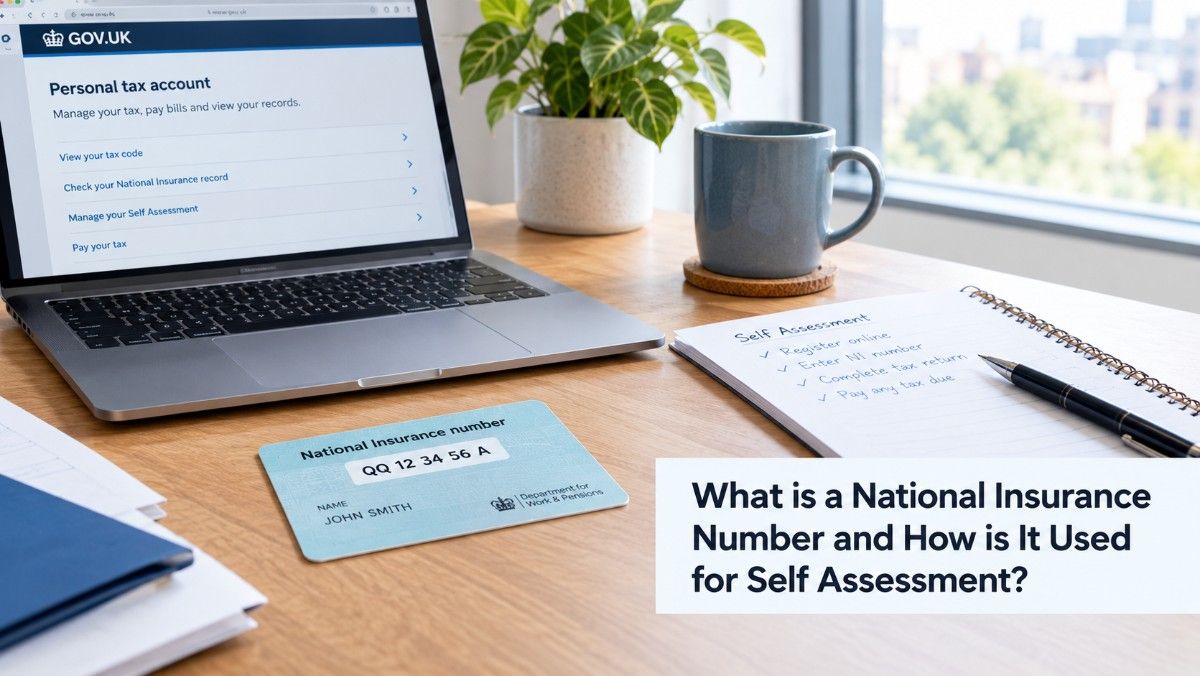
Checking your allowance helps you understand your tax code and whether your employer deducts the correct tax. The HMRC online service provides information about your estimated income and current tax position.
Your tax code tells your employer how much tax to deduct through Pay As You Earn (PAYE). If the details are incorrect, you could pay too much or too little tax.
The hmrc personal allowance information can also help you identify potential discrepancies. However, if you pay Income Tax exclusively through Self Assessment, you may need to review your tax position differently.
Understanding Income Tax and your Personal Allowance helps you estimate tax liabilities, manage your income, and make informed financial decisions throughout the year.
The PHS Associates supports individuals, self-employed professionals, and businesses across the UK with practical tax and accounting services. Our team can help you understand your tax obligations, organise financial records, and prepare accurate tax returns.
Need help managing your tax affairs? Book a free demo for professional support with your tax calculations and Self Assessment requirements.
You pay tax on dividends above your £500 dividend allowance at rates of 10.75%, 35.75%, or 39.35%, depending on your Income Tax band for 2026/27.
The Dividend Allowance is £500 for the 2026/27 tax year. You can receive up to £500 in dividend income without paying Dividend Tax. Any dividends above this allowance are taxed according to your applicable Income Tax band.
Yes, basic-rate taxpayers pay 10.75% Dividend Tax on dividend income exceeding the £500 allowance. The actual amount depends on your total taxable income and available allowances.
Higher-rate taxpayers pay 35.75% Dividend Tax on dividends exceeding their £500 allowance. Your dividend income is added to your other taxable income to determine the applicable tax rate.
You can manage your Dividend Tax liability through tax-efficient planning. Consider using your annual dividend allowance, making eligible ISA investments, and reviewing how you receive income from your business. Professional tax advice can help identify suitable opportunities.

PHS Associates Acc & Co is led by a skilled team with expertise in Accounting, Taxation, Payroll, Business consultancy, and Company secretarial services.
© Copyright 2026 PHS Associates Acc & Co
Company number - 08670151